A new era in Türkiye's electricity market: aggregation activity
The Regulation on Aggregation Activity in the Electricity Market, prepared by the Energy Market Regulatory Authority (EPDK), was published in the Official Gazette dated December 17, 2024 and numbered 32755. The regulation, which entered into force on January 1, 2025, opens a new era in the Turkish electricity market.
DBE Energy announced that it had been preparing for aggregation activity for about seven years and that, with the new regulation, it is ready to operate in this field.
What is aggregation?
Aggregation is a market activity added to Electricity Market Law No. 6446 at the end of 2022. EPDK defines this activity as combining the generation or consumption of grid users and operating it as a single portfolio. The aim is to bring together dispersed, small-scale facilities into a structure that is both commercially efficient and contributes to grid balance.
The activity can be carried out by legal entities holding an aggregator license or by supply license holders that have had aggregation added to their licenses. As reported by Bloomberg HT, the total installed capacity in an aggregator's portfolio is limited to 2,000 MW, of which no more than 500 MW may come from unlicensed facilities. The same package also amended eight regulations, including those on balancing and settlement, licensing, ancillary services and storage.
A new path for unlicensed power plants
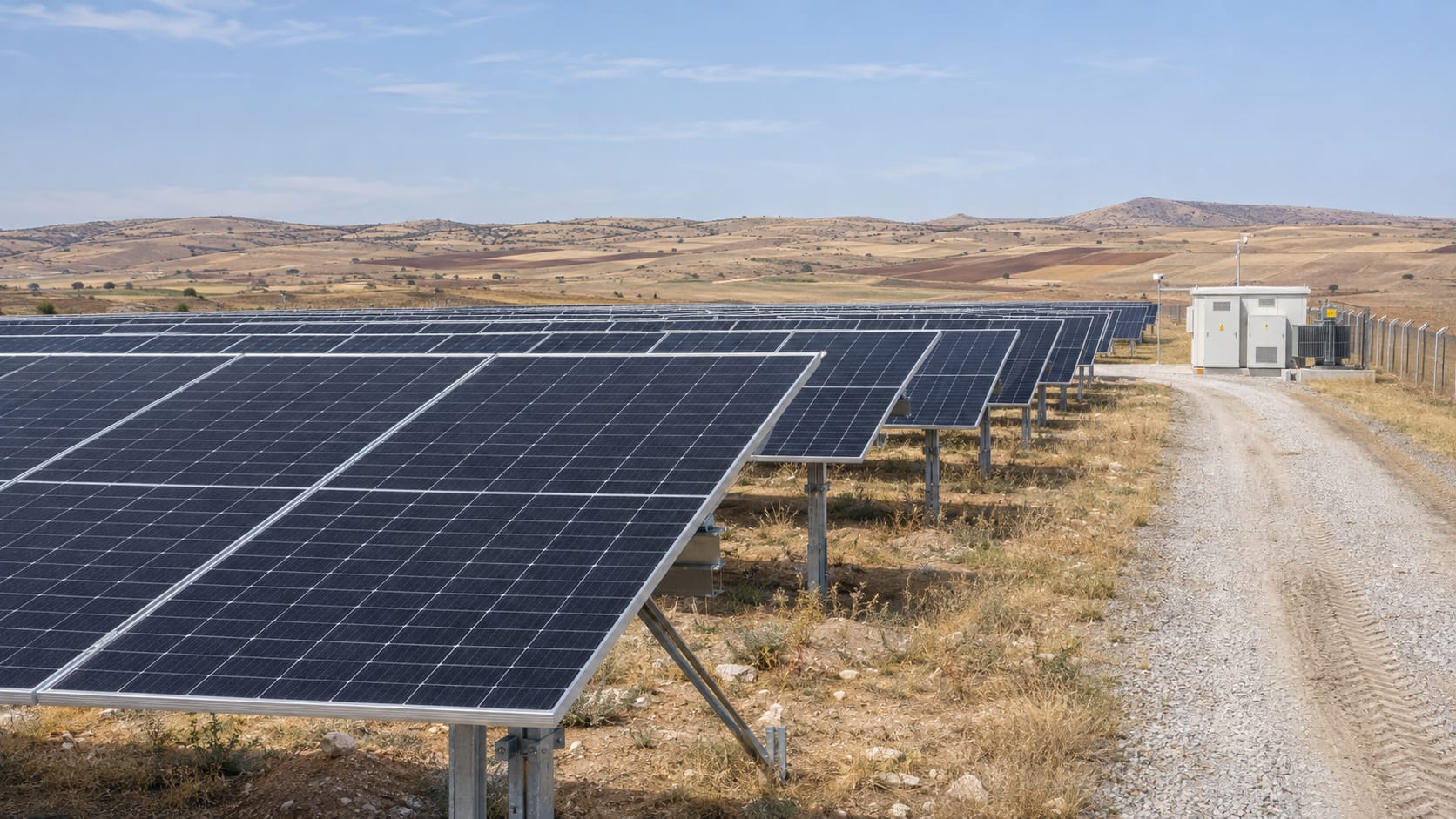
One of the most discussed outcomes of the regulation concerns unlicensed solar and wind power plants whose ten-year purchase guarantee period has expired. These facilities will now be able to keep selling in the electricity market by joining an aggregator's portfolio.
According to DBE Energy's assessment, the installed capacity of small-scale unlicensed facilities across Türkiye has reached approximately 20,000 MW and continues to grow every year. The aggregation model paves the way for these facilities to participate more effectively in the balancing power market and ancillary services, for renewable resources to be used more efficiently, and for small producers to gain market access.
Why is DBE Energy ready?
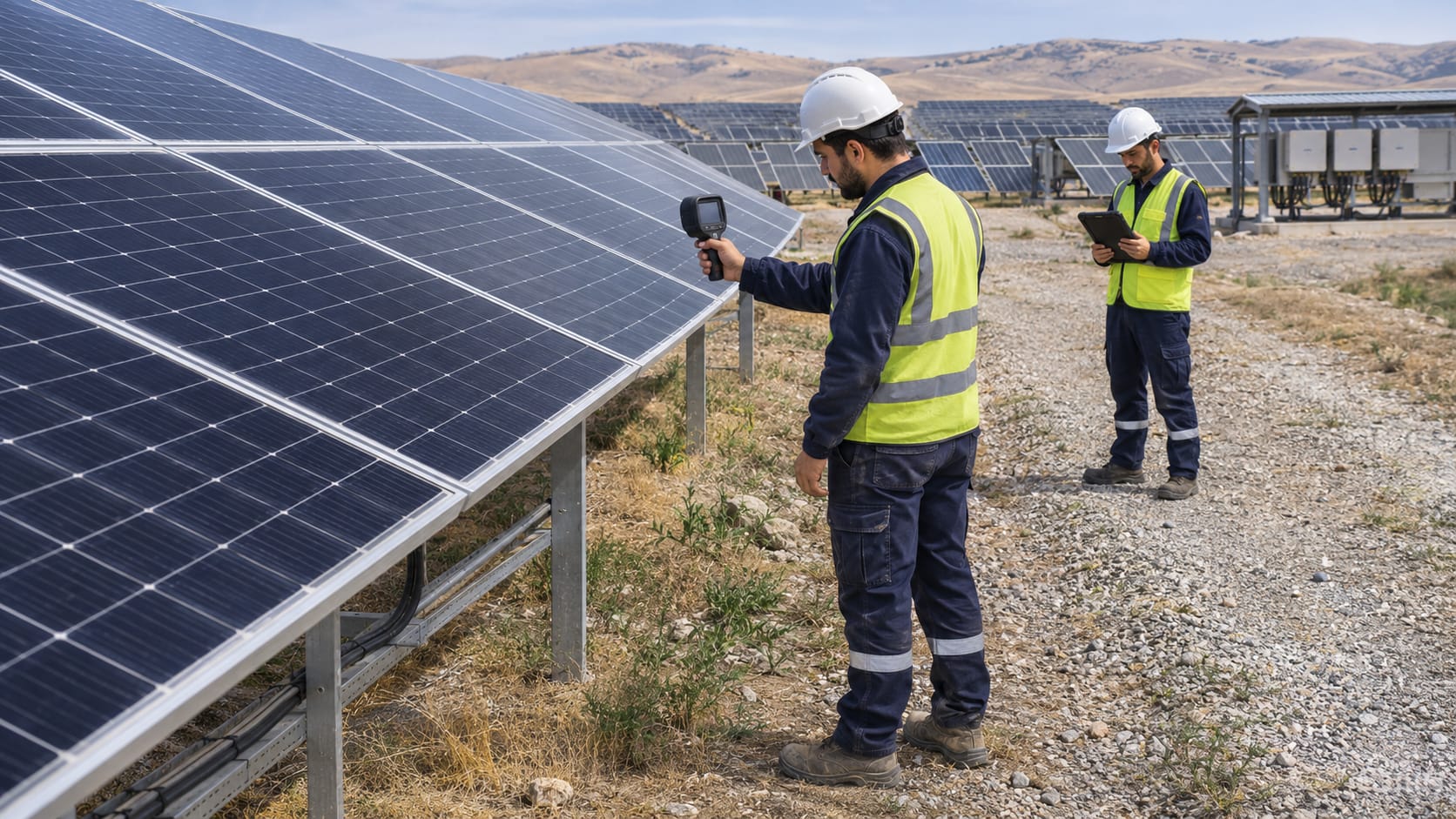
DBE Energy has the infrastructure to remotely monitor and manage the generation and consumption facilities in its portfolio and has been collecting real-time data from power plants for about seven years. The company's FTMS (Facility Tracking Management System) software, which runs on second-by-second data, will bring its existing operation and monitoring services together with energy trading.
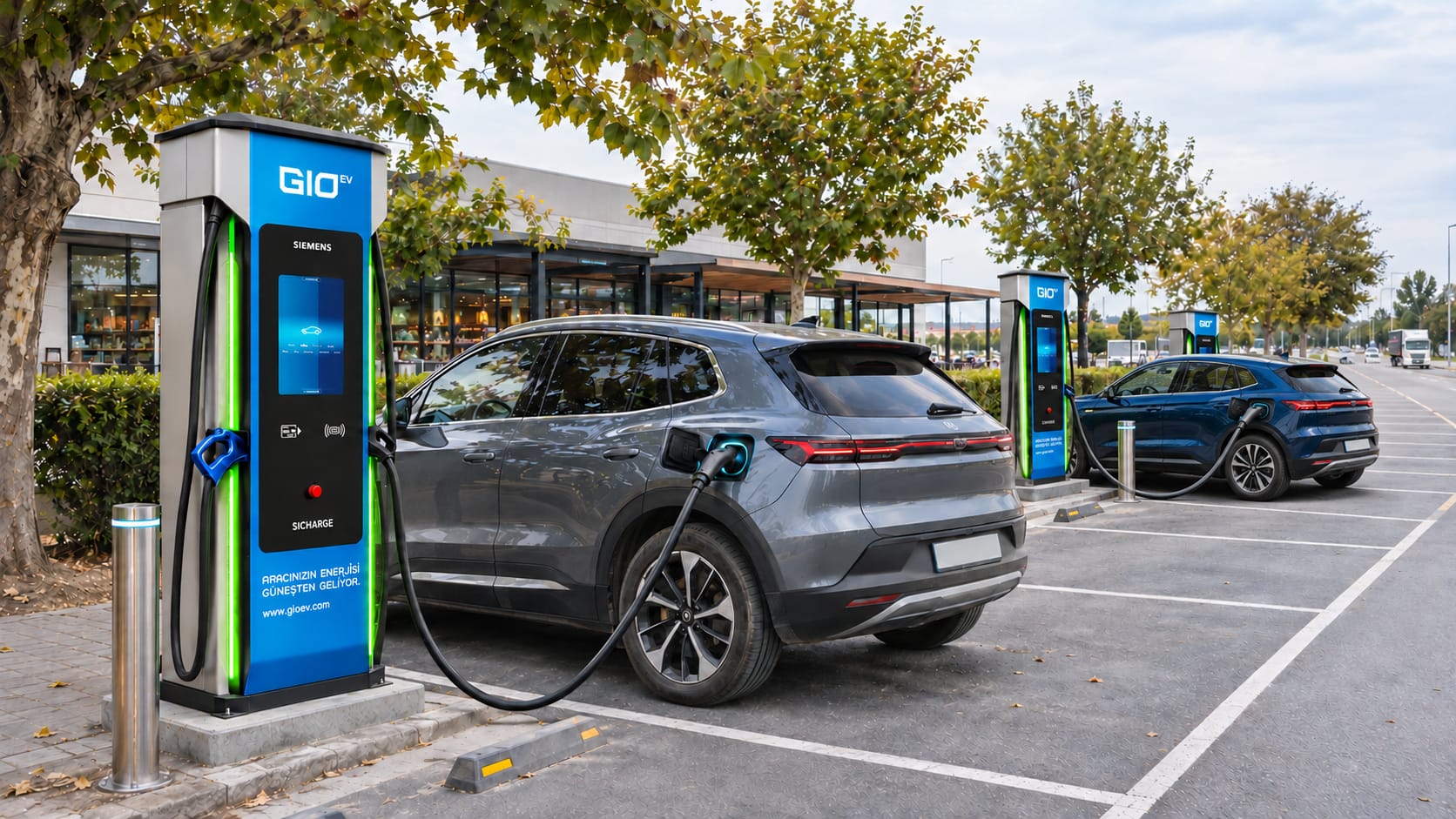
The company states that it has the technical qualifications required to participate in balancing and ancillary service mechanisms. On the consumption side, it tested end-user technology integration years ago through its own EV charging stations. Supply services for eligible consumers are also part of DBE Energy's plans in this field.