The new infrastructure of sustainable transportation
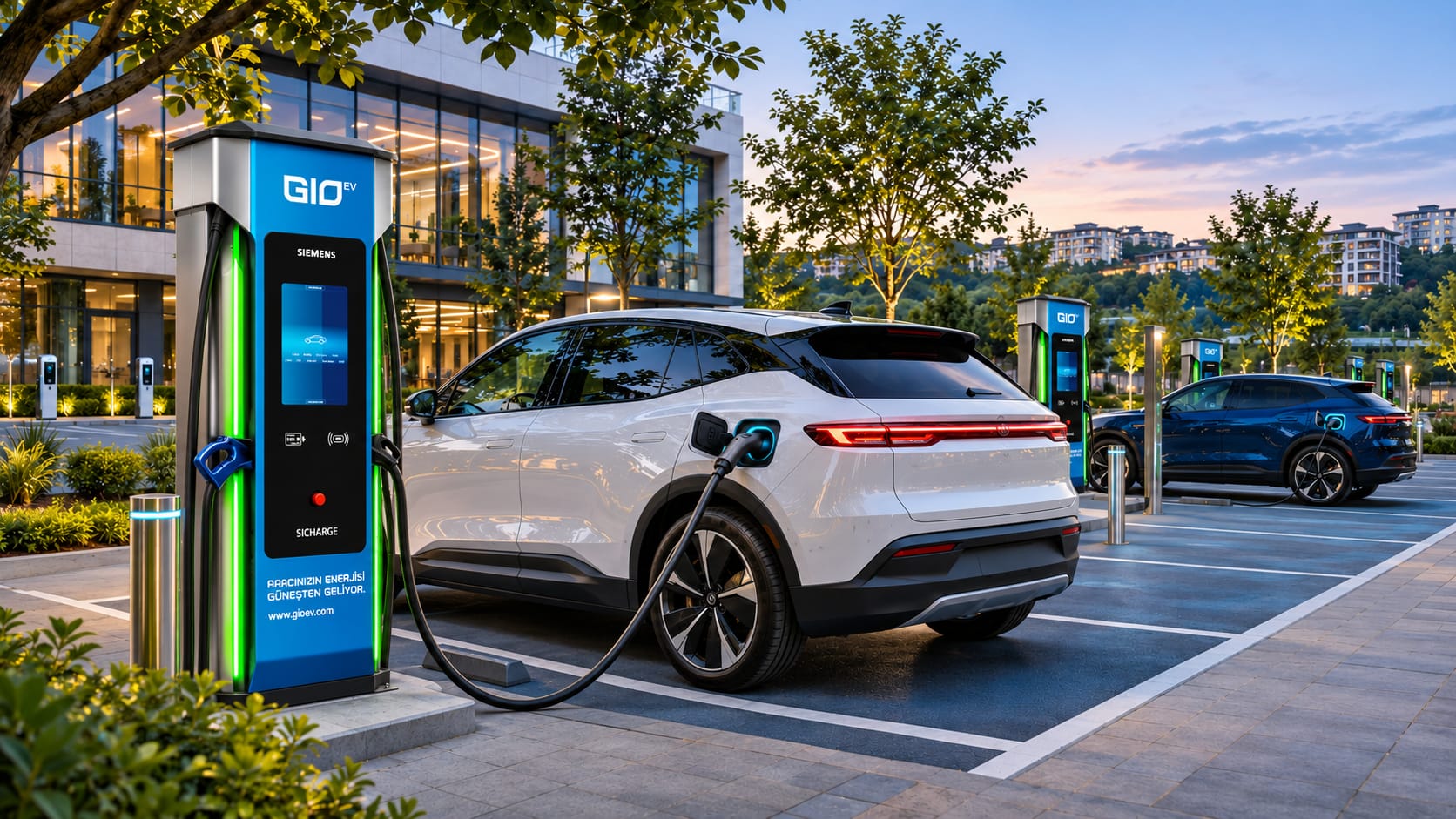
As electric vehicle use becomes more widespread, the development of charging infrastructure is becoming one of the cornerstones of the transition to sustainable transportation.
Electric vehicles becoming part of everyday life depends not only on advances in vehicle technology but also on drivers being able to charge their vehicles when and where they need to.
Charging for every use case
Charging infrastructure needed across different use cases, from city life to commercial businesses and from residential areas to transport hubs, supports the growth of electric mobility.
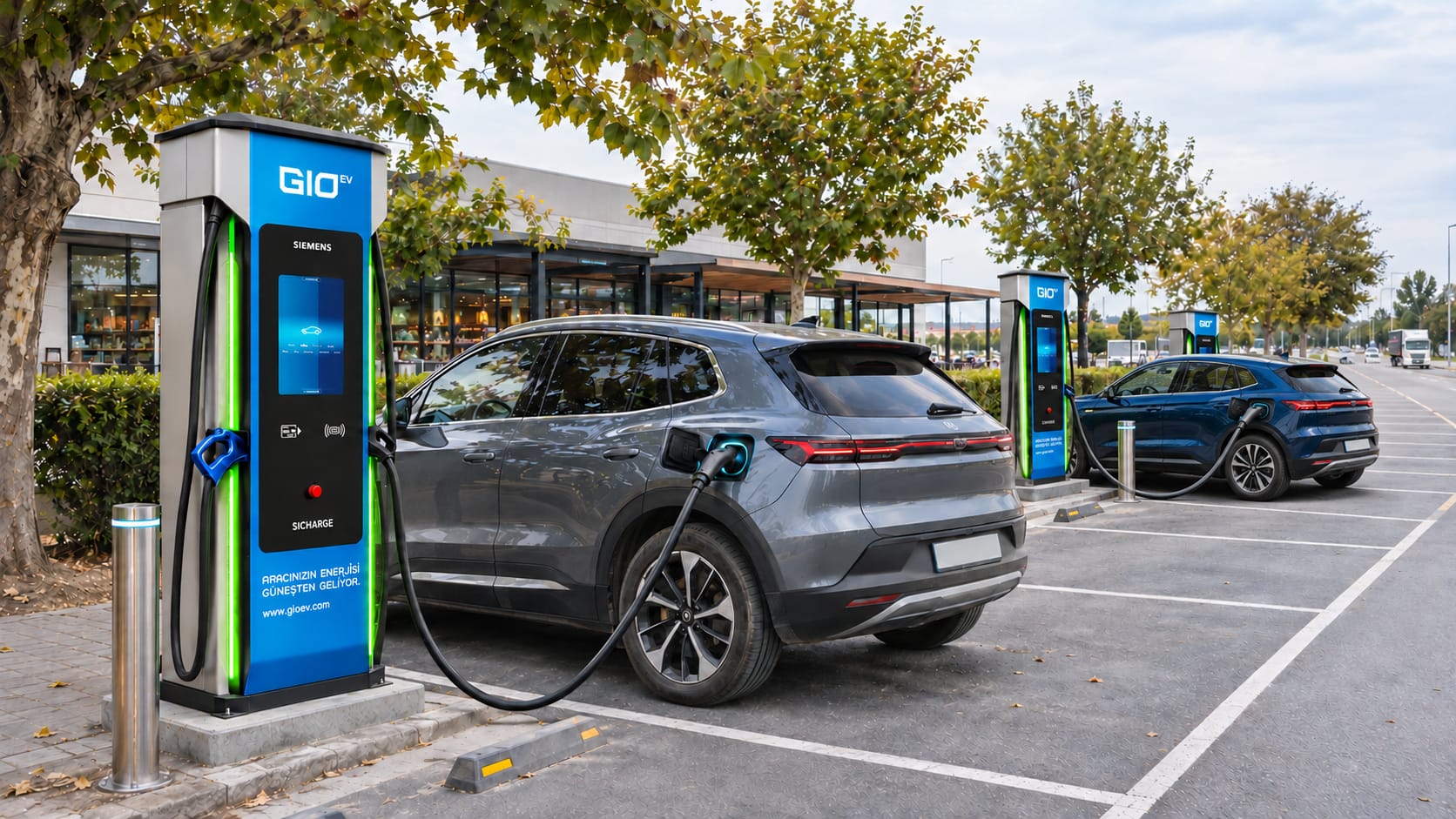
Fast charging points at shopping malls and fuel stations stand out for short stops, while charging stations at residential complexes, campuses and workplaces stand out for long-term parking.
The role of DC and AC charging
Thanks to their high power, DC fast charging stations charge vehicles quickly and shorten stops on the road. Depending on the vehicle's charging capacity, a 300 kW station can charge a car with a 500 km range in about 25 minutes.
AC stations, on the other hand, offer lower-power, longer charging in places where vehicles stay parked for hours. Charging overnight at residential complexes or during working hours at workplaces is enough to meet drivers' daily needs.
The right station in the right place
When growing a charging network, where a station is installed matters as much as how powerful it is. How long drivers stay at that location, vehicle density in the area and the capacity of the electrical infrastructure all play a decisive role in choosing the right type of station.
That is why high-power DC stations on intercity routes and at shopping malls are planned together with large numbers of AC charging points at residential complexes and campuses.
New locations in the GIO EV network
Our subsidiary GIO EV's charging network is growing with this approach. In April, a second 300 kW DC fast charging unit was added to the Çıkla Petrol station in Manavgat, Antalya, doubling the location's fast charging capacity.
On the residential and campus side, new AC charging points were commissioned in the first months of the year through a partnership with Katılım Enerji at locations such as KİPTAŞ residences, Medeniyet University campuses, Concord, Anatolia City and Dağ Prime.
Monitoring for uninterrupted service
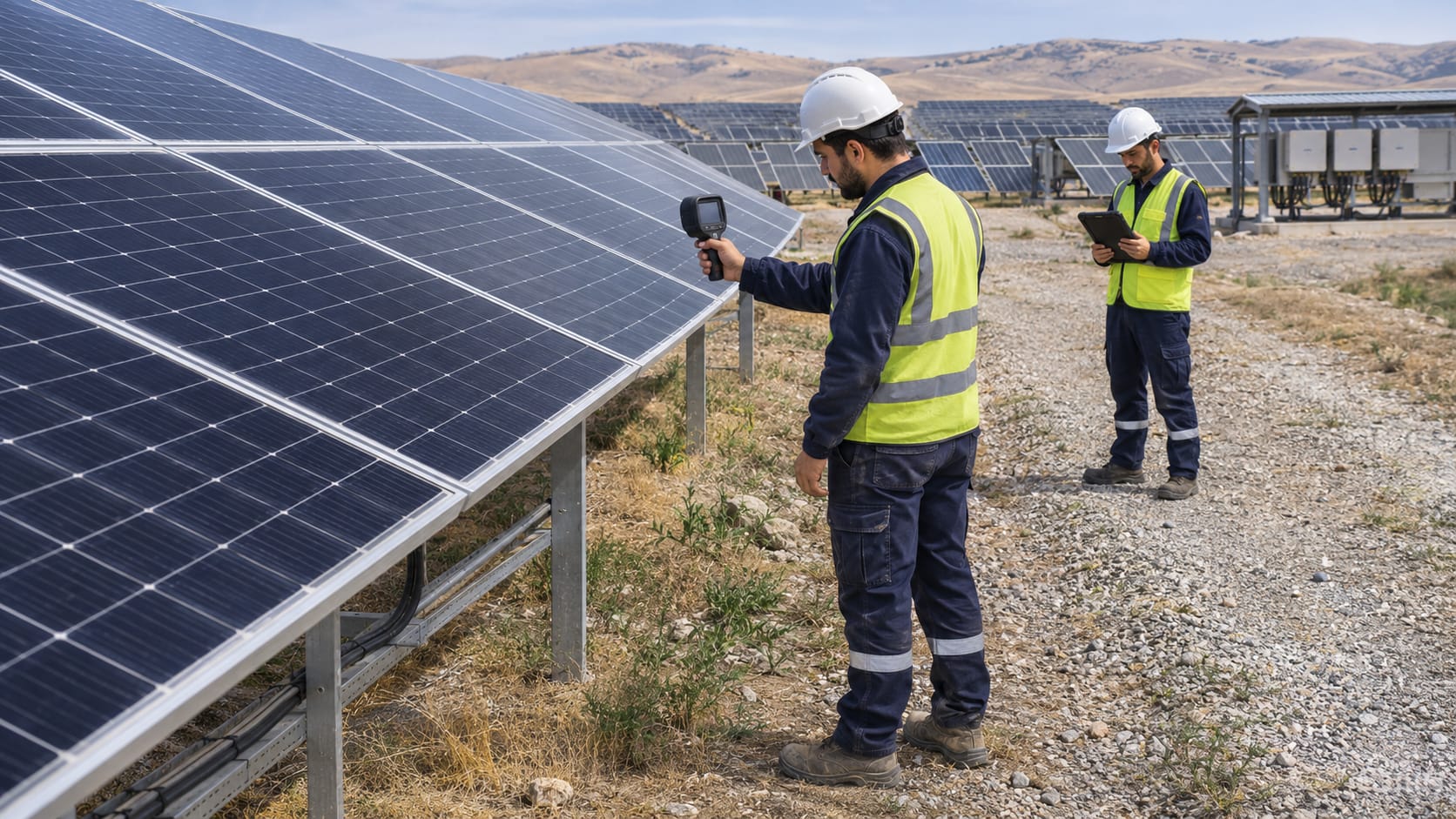
The reliability of charging infrastructure depends on stations being operational at all times. GIO EV stations are monitored 24/7 via a central monitoring system; potential faults are detected remotely and passed on to regional technical teams.
Scheduled service work is planned with the stations' usage intensity in mind. The aim is for drivers to be able to charge their vehicles without any issues when they arrive at a station.
Part of the transformation
As DBE Holding, we aim to be part of this transformation and to contribute to the development of the EV charging ecosystem.
Our group company DBE Energy, which handles the installation, operation and maintenance of the stations, and GIO EV, which manages the app side of the charging network, work together to offer drivers a reliable and uninterrupted charging experience.